Subproject A1– Bioengineering: Intelligent control for a more resilient circulation system
CUBES Circle
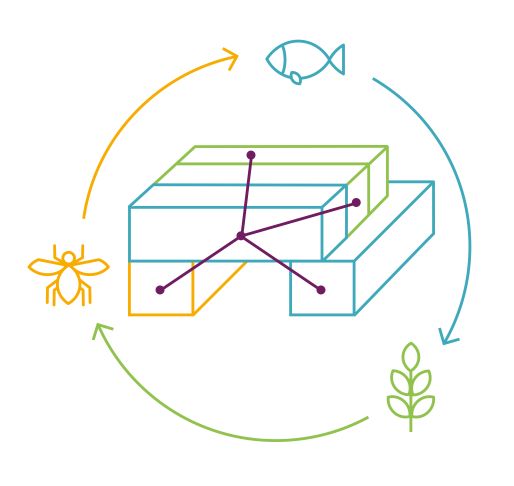
Subproject A-1 focuses on networking biosystems at the level of information science and engineering. Its central task is to ensure stable, resilient, and resource-efficient operation of the CUBES Circle research facility. To this end, intrinsic energy and material flows from year-round cultivation are precisely quantified and linked to extrinsic material flows. The aim is not only to link the three production modules – plant, fish, and insect production – but also to operate them as a holistically controllable system.
The routines developed in the first project phase for water and nutrient solution management, including automated nutrient solution mixing and process-accompanying analysis using ion-selective electrodes, will be further optimized during ongoing operation. In the future, artificial intelligence will support the prioritization and mixing of available water sources, with the aim of achieving a high degree of self-sufficiency through the use of rainwater and condensate. Model-based soft sensors supplement the direct measurement of biologically sensitive parameters and enable predictive control of the system.
All information flows are organized via an IoT platform that allows continuous transmission, aggregation, and analysis of sensor data. On this basis, forecasts, recommendations for action, and automatic control commands are generated. The AI-supported further development of the control algorithms tested in phase I is based on real operating data, enabling the digital control mechanism to respond to changes in real time – both in the greenhouse climate and in fish and insect modules. At the same time, animal welfare indicators in fish and insect production are made visible using modern monitoring and AI methods and integrated into the system control.
The energy analysis differentiates between electrical and thermal energy flows and evaluates their use over the course of the year. A special subject of investigation is the RemoteCUBE, for which detailed energy profiles are created over several production cycles. These show when and how much energy is consumed or provided and enable reliable statements to be made about the energy turnover of different crops and usage scenarios. In addition, the integration of solar collectors, coupling with urban energy systems, and the optimization of heat pump management and climate control are being investigated.
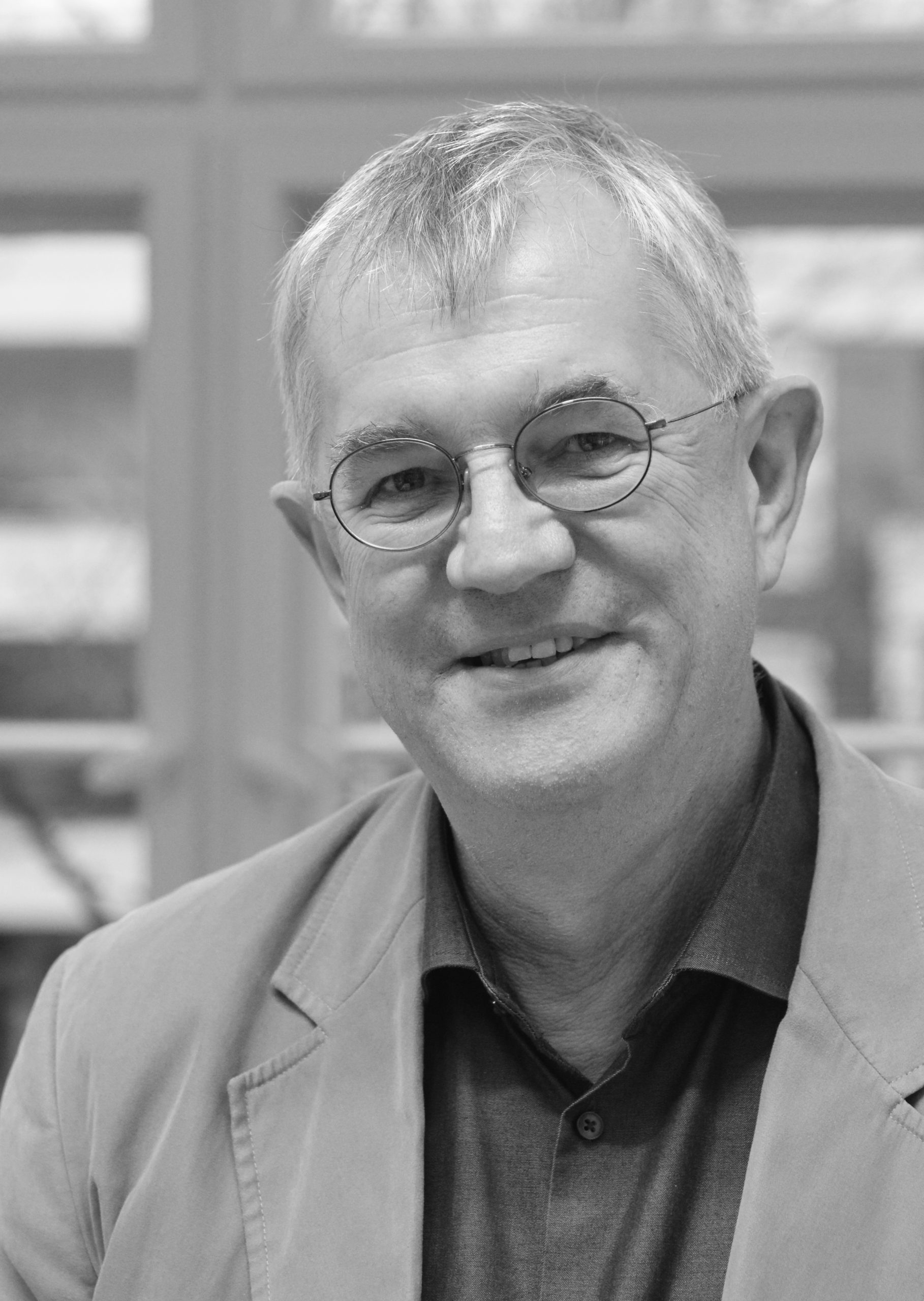
Prof. Dr. Uwe Schmidt an engineering scientist, is the head of the Division Biosystems Engineering at the Humboldt-Universität zu Berlin. This Division works on research projects dealing with the coupling of biological and technical systems. The main focus is on innovations in sensor and automation technology for intensive crop cultivation in greenhouses as well as on software development such as phytocontrol technology. Using plant monitoring systems developed by the Department, technical processes in greenhouses can be carried out according to plant signals - a novelty. In recent years, Prof. Dr. Schmidt has increasingly focused on the management of recirculating water and nutrient cycles and the development of closed greenhouses with cooling and storage for the bivalent use of greenhouses as plant production sites and thermal solar collectors. Several patented innovations for cooling and heat storage as well as for automation of solar collector greenhouses software have emerged from cooperation in the national joint project Future Initiative for Low Energy Greenhouses (ZINEG) . The joint project was awarded the BMBF Sustainability Prize in 2014. Prof. Dr. Schmidt was active as a consultant in the Aquaponics-EU project INAPRO and was able to gain experience with the technology and control of coupled agricultural systems, which are to be used and expanded in the CUBES Circle project.
Contact: u.schmidt(at)agrar.hu-berlin.de
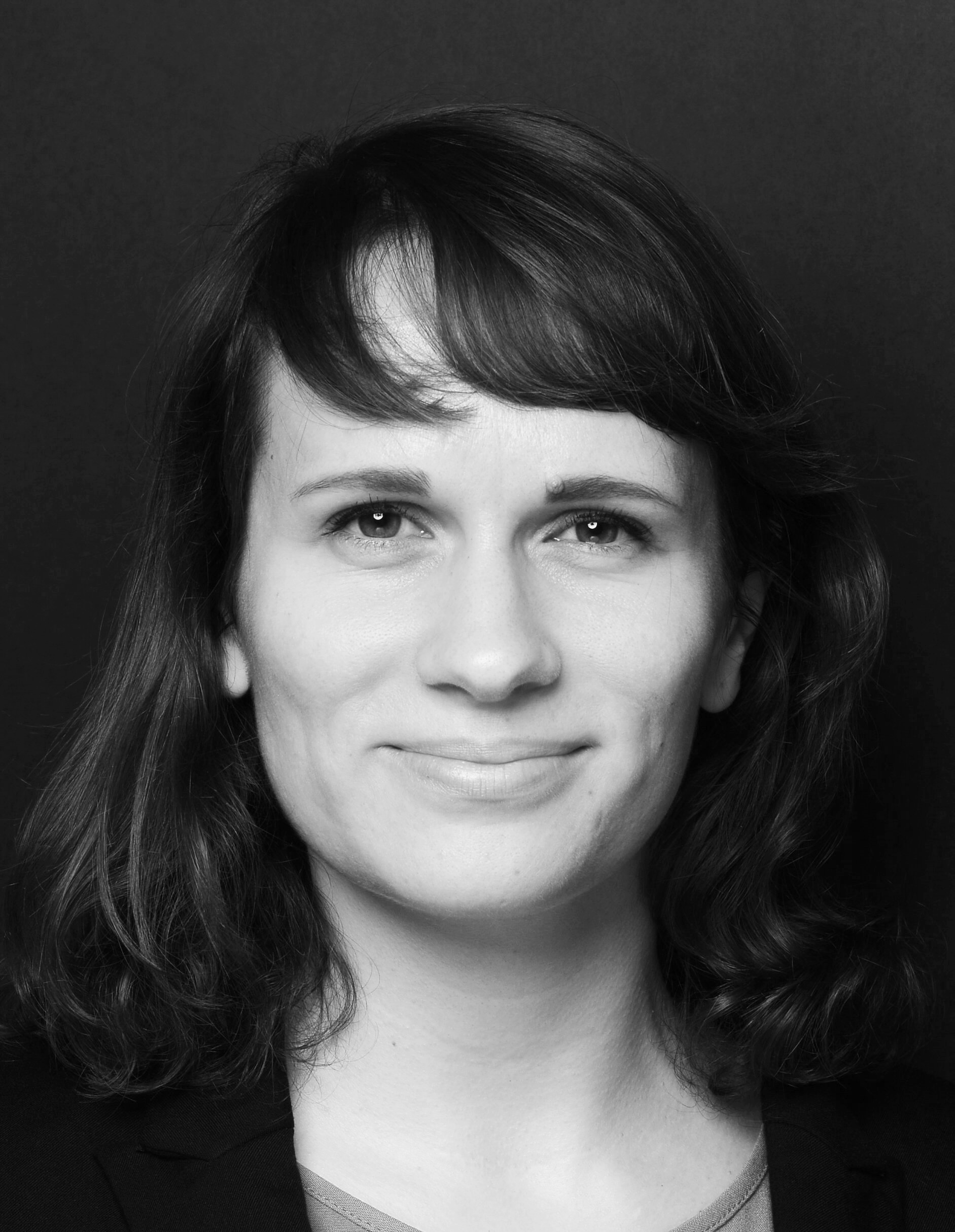
Mareike Mauerer is a research assistant at the Division of Biosystems Engineering at Humboldt-University zu Berlin. The subject of her PhD is the integration of nitrified human urine as a fertilizer in recirculating nutrient solutions for greenhouse vegetable production.
In the project CUBES Circle she will be responsible for supporting data management, information exchange and optimization of technical processes at the interface of the different cubes. She will also be contributing to the project with her expertise in closing nutrient cycles and usage of recycled nutrients in closed vegetable production systems.
Contact: mareike.mauerer(at)hu-berlin.de

Marius Conrady is a bioprocess engineer with a master's degree in biotechnology. He is a research assistant in the Department of Biosystems Engineering at Humboldt University in Berlin.
At CUBES Circle, he is involved in establishing the data infrastructure, information flows, and technical interfaces. He also contributes to the optimization of technical processes and process analytics.
Contact: marius.conrady@hu-berlin.de
